
By Jude Huck-Reymond
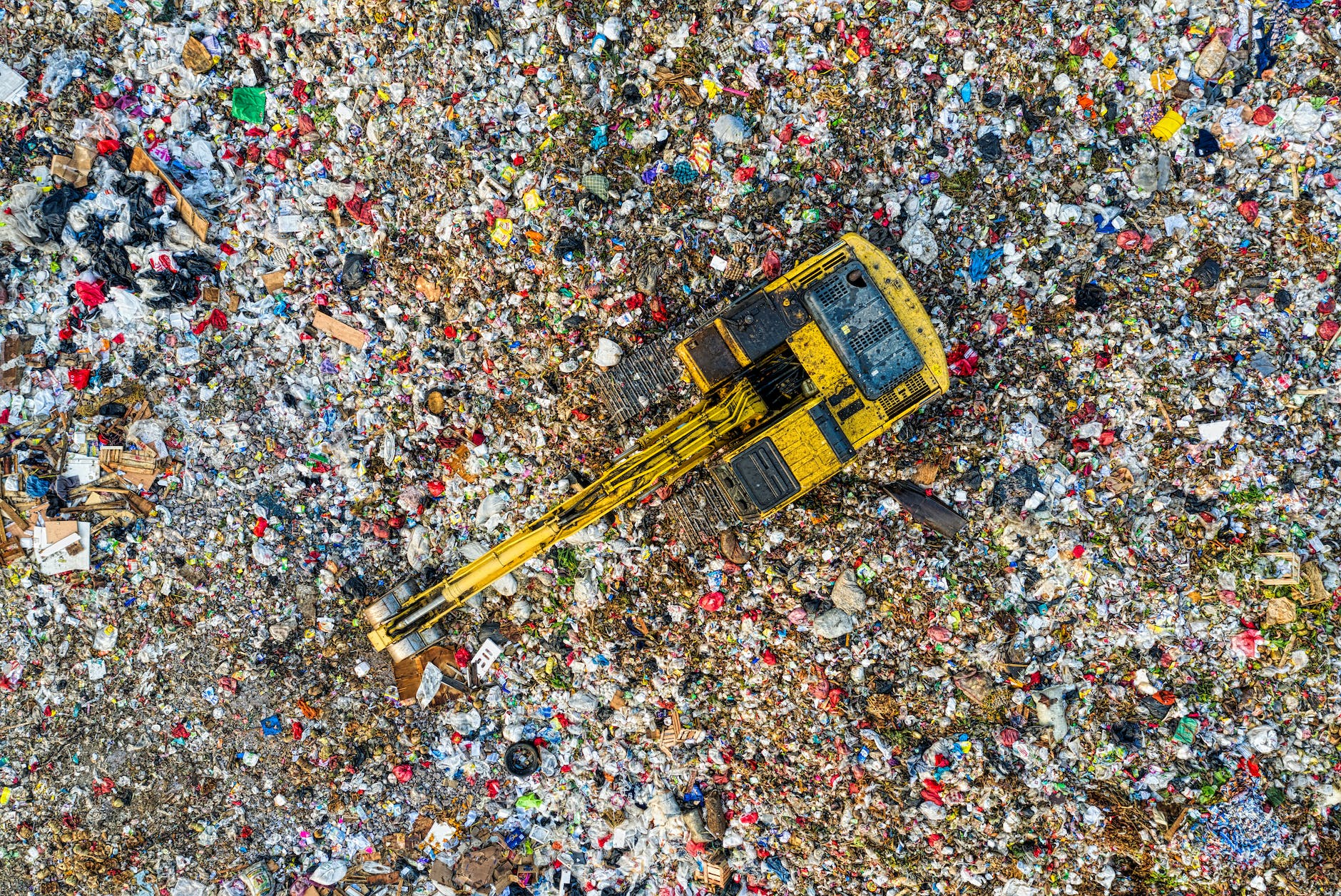
In today’s age of climate consciousness, a radical shift in our perspective about waste is unfolding. As populations grow and natural resources dwindle, there’s an increasing need to reconsider our traditional economic models. Enter the concept of the circular economy, an innovative approach where waste is not an endpoint, but the beginning of something new. In this piece, we’ll explore what the circular economy is, how it’s different from the traditional linear model, and the numerous benefits it can bring to our environment and businesses.
What is the Circular Economy?
The circular economy is an economic system designed to reduce waste and minimize the continual use of resources. It operates on three main principles[1]:
- Design out waste and pollution. This means that from the very beginning, products are made to last longer, and they’re designed with recycling or repurposing in mind.
- Keep products and materials in use. Instead of discarding items after their initial use, they are reused, refurbished, or recycled.
- Regenerate natural systems. This ensures that natural resources are replenished, and ecosystems are restored.
The Ellen MacArthur Foundation, a leader in promoting the circular economy, succinctly describes it as “a framework for an economy that is restorative and regenerative by design”[1].
The Linear vs. Circular Economy: A Comparative Glance
Traditionally, the global economy has operated on a linear model: extract, produce, consume, and dispose. This “take-make-waste” approach has caused significant environmental degradation and resource depletion.
- Extraction: Raw materials are extracted from the earth.
- Production: These materials are manufactured into products.
- Consumption: Consumers use these products.
- Disposal: Once these products are no longer useful or wanted, they’re thrown away.
The circular economy, however, looks at this sequence differently. Instead of viewing the end of the lifecycle as disposal, it perceives it as an opportunity for transformation. Old products can be sources for new ones. Waste, in this framework, becomes a valuable resource.

Why Does the Circular Economy Matter?
Environmental Benefits
A circular economy can significantly reduce the strain on our planet. Here’s how:
- Waste Reduction: By reusing and recycling products, less waste goes to landfills.
- Decreased Resource Extraction: Using recycled materials means fewer resources need to be extracted from the Earth.
- Lower Emissions: Reusing and recycling can significantly reduce greenhouse gas emissions associated with production from raw materials[2].
Economic Benefits for Businesses
The circular model is not just environmentally friendly—it’s also a smart business move. Here’s why:
- Cost Savings: Companies can save money by using recycled materials and reducing waste management costs.
- New Revenue Streams: Old products can be turned into new ones, providing additional sources of income.
- Risk Mitigation: Businesses that rely on scarce resources can diversify their supply chains by incorporating recycled materials.
Real-World Examples of the Circular Economy in Action
Several businesses have already embraced the circular economy, showcasing its viability:
- Dell: The tech giant has initiated a program that turns used plastics from old devices into new ones, making strides toward their goal of using 100% sustainable packaging[3].
- Levi Strauss & Co.: This iconic brand has introduced a line of jeans made entirely from post-consumer recycled denim[4].
- IKEA: The furniture behemoth is trialing leasing models for furniture, promoting product longevity and reuse[5].
Conclusion
The circular economy offers a transformative approach to the way we view waste. By rethinking our traditional linear model, we not only contribute to a more sustainable future but also tap into economic benefits that were previously overlooked. As more businesses recognize these advantages, the move toward a circular model will become not just a trend but a necessity.
Sources:
[1] Ellen MacArthur Foundation. “What is the Circular Economy?”
[2] World Resources Institute. “How the Circular Economy Tackles Climate Change.”
[3] Dell Technologies. “Circular Economy Initiatives at Dell.”
[4] Levi Strauss & Co. “Sustainability Report.”
[5] IKEA. “Embracing a Circular Economy.”
 Thoughts of Jude