
By Jude Huck-Reymond
Introduction
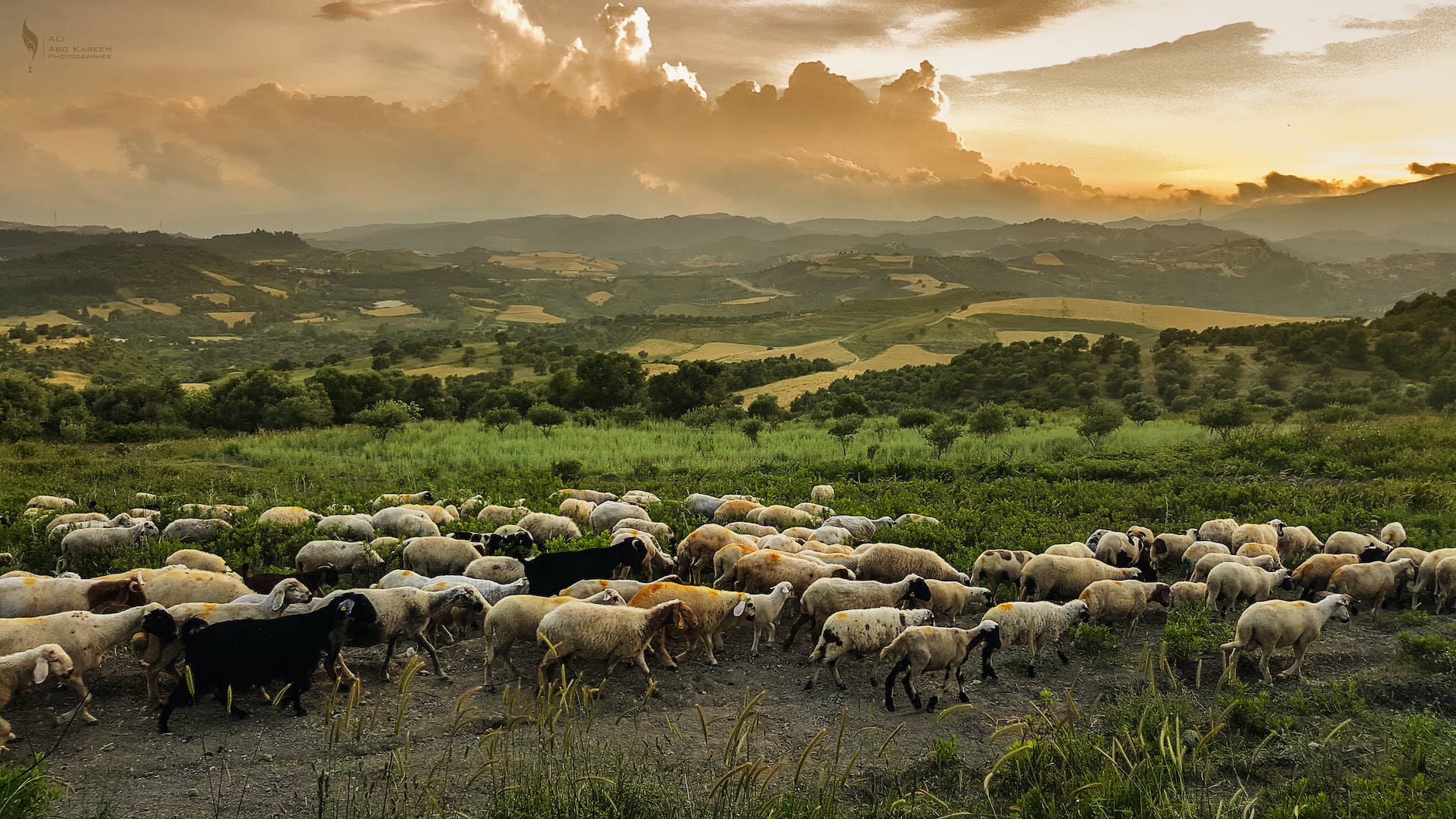
The international meat industry has a significant role in the global economy, contributing approximately $1.4 trillion in output and supporting millions of jobs worldwide (OECD, 2021). This vital industry also helps to meet the dietary needs of an increasing global population that is forecasted to reach 9.7 billion by 2050 (United Nations, 2019).
However, the meat industry’s massive scale also brings substantial environmental impacts. The Food and Agriculture Organization (FAO) of the United Nations estimates that the livestock sector contributes approximately 14.5% of all human-induced greenhouse gas emissions (FAO, 2013). Furthermore, it utilizes about 70% of agricultural land globally, mostly for grazing and feed crop production (FAO, 2006). The industry also contributes to deforestation, water pollution, and biodiversity loss (Godfray et al., 2018).
Ethical issues are another significant concern, particularly related to animal welfare. The demand for meat has led to intensive farming practices, which often compromise the quality of life of billions of animals raised for slaughter each year (Singer, 2009).
Science of Cultured Meat
The production of cultured meat, also known as cell-based meat or clean meat, is a complex process that builds upon techniques used in regenerative medicine and tissue engineering. It involves the in vitro cultivation of animal cells into edible tissues that resemble traditional meat in texture, flavor, and nutritional profile. Here, we delve into the fundamental steps involved in the production of cultured meat.
- Cell Selection: The initial step in producing cultured meat is the selection of suitable cells. These cells can be muscle stem cells (also known as satellite cells), pluripotent stem cells, or induced pluripotent stem cells (iPSCs). Muscle stem cells, due to their inherent ability to grow and develop into muscle tissue, are often the preferred choice (Post, 2012).
- Cell Harvesting and Proliferation: Once the cells are selected, they are harvested from the animal, usually through a biopsy, a minor and non-lethal procedure. The harvested cells are then placed in a culture medium – a nutrient-rich solution that promotes cell growth and multiplication. This medium typically contains essential components such as sugars, amino acids, vitamins, and certain growth factors (Bhat et al., 2019).
- Differentiation: When a sufficient amount of cells have been produced, the culture conditions are modified to encourage differentiation – a process wherein the cells transform from a proliferative state to a state where they mature into muscle cells or myocytes. This process is achieved by changing the composition of the culture medium, often by reducing the concentration of growth factors and serum (Ben-Arye & Levenberg, 2019).
- Tissue Formation: The differentiated cells then naturally start to form myotubes – the precursor to muscle fibers – and eventually fuse to form myofibers, the main component of muscle tissue. To create a product that closely mimics traditional meat, it is necessary to align these fibers in a specific way, which can be achieved using scaffolding materials that provide a structure for the cells to grow on (Verbeke et al., 2015).
- Maturation: Finally, the muscle tissue is matured and conditioned, often through the application of mechanical or electrical stimuli that mimic the effects of exercise, leading to an increase in protein content and the development of the characteristic texture and consistency of meat (Stephens et al., 2018).
While cultured meat’s production is a remarkable technological achievement, it is not without challenges. Scientists are still working on creating cultured meat that mimics the complexity of traditional meat, including the incorporation of fat cells for flavor, and the development of thicker cuts of meat, such as steaks. Furthermore, finding a suitable, cost-effective, and animal-free culture medium remains a significant challenge (Bhat et al., 2019).
The progress in this field is promising, and continued advancements in cellular agriculture could make the mass production of cultured meat a reality, offering an alternative method of meat production that could revolutionize our current food system.
Post, M. J. (2012). Cultured meat from stem cells: Challenges and
Environmental Impacts of Cultured Meat
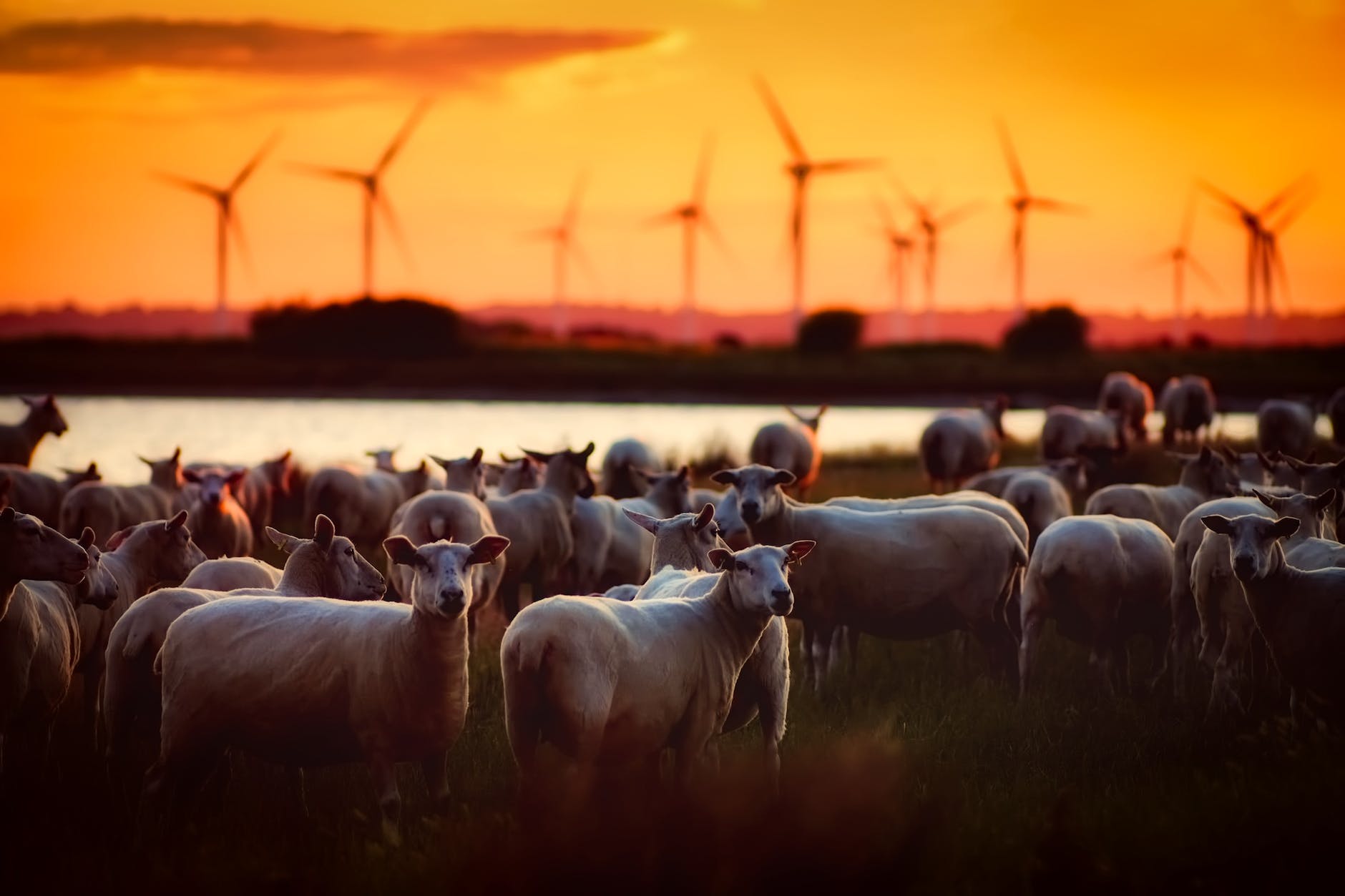
One of the central appeals of cultured meat lies in its potential to dramatically reduce the environmental footprint associated with traditional meat production. Livestock farming is one of the major contributors to greenhouse gas emissions, land degradation, and water pollution, presenting an urgent problem that needs to be addressed for the long-term sustainability of our planet (FAO, 2013).
Firstly, cultured meat production could significantly reduce land use. A considerable proportion of Earth’s arable land, approximately 26% of the ice-free terrestrial surface, is currently used for grazing, while a third of all arable land is used for feed crop production (FAO, 2006). By growing meat directly from cells, we could theoretically produce the same amount of meat with a fraction of the land. Early estimates suggest that cultured meat could reduce the land needed for meat production by up to 99% (Tuomisto and Teixeira de Mattos, 2011).
Secondly, cultured meat could also greatly reduce greenhouse gas emissions. Livestock farming contributes to around 14.5% of global anthropogenic greenhouse gas emissions, mostly due to methane produced by ruminants and nitrous oxide emissions from manure and fertiliser (FAO, 2013). By contrast, cultured meat production would primarily generate carbon dioxide from energy use. Lifecycle assessments of cultured meat estimate a potential reduction in emissions of up to 96% compared to conventionally produced European meat (Tuomisto and Teixeira de Mattos, 2011).
Finally, cultured meat could help alleviate the problem of water pollution from livestock farming. This industry is a major source of water pollution due to runoff from pastures and feed crops, and waste produced by animals. In contrast, cultured meat would be produced in controlled, closed-loop systems with the potential for much better waste management and minimal runoff (Kleeman, 2020).
However, it’s worth noting that these benefits are theoretical and depend on several factors including the energy sources used for cultured meat production and the lifecycle of the culture medium and other materials used in the process. More detailed assessments will be needed as the industry matures and production methods become more established.
Overall, cultured meat offers the potential to fundamentally rethink and redesign our meat production systems with far-reaching environmental benefits, providing a promising avenue towards a more sustainable future.
Economic Impacts of Cultured Meat
The nascent cultured meat industry holds the potential to reshape not only our agricultural landscape, but also our economic frameworks surrounding meat production. Economic feasibility is a critical factor in determining whether cultured meat can effectively supplant traditional livestock farming and become a consumer preference.
At present, the production cost of cultured meat is significantly higher than that of conventionally produced meat due to the high cost of cell culture media, bioreactor operation, and technical challenges associated with scaling up production (Stephens et al., 2018). However, this scenario is expected to change as the industry matures.
As with any emerging technology, the cost of production is expected to decline significantly over time due to economies of scale, technological advancements, and process optimizations. For instance, it is predicted that improvements in the efficiency of bioreactors and the development of plant-based or microbial alternatives to fetal bovine serum (an expensive component of the cell culture media) could drive down costs (Bhat et al., 2019).
Furthermore, cultured meat could generate significant cost savings in other areas of the supply chain. For example, the costs associated with animal rearing, such as feed, water, land, veterinary care, and waste management, would be eliminated. In addition, cultured meat’s potentially longer shelf-life could reduce waste and costs associated with spoilage (Kadim et al., 2015).
From a consumer perspective, the acceptance and preference for cultured meat will depend on various factors, including price, taste, texture, nutritional profile, and perceptions about its naturalness and safety. Research suggests that consumer acceptance of cultured meat is variable, but tends to increase with exposure to information about its environmental and animal welfare benefits (Bryant & Barnett, 2018).
Moreover, with growing awareness about the environmental and ethical issues associated with conventional meat production, the consumer base for alternative proteins, including cultured meat, is expected to grow. A recent survey by AT Kearney predicted that by 2040, cultured meat could make up 35% of all meat consumed globally, driven by consumer demand for more sustainable and ethical food choices (AT Kearney, 2019).
In summary, while there are considerable economic challenges to be overcome, the potential for cost-effectiveness, coupled with changing consumer attitudes towards meat consumption, could make cultured meat a viable and attractive alternative to traditional meat in the future.
The Nutrition of Cultured Meat
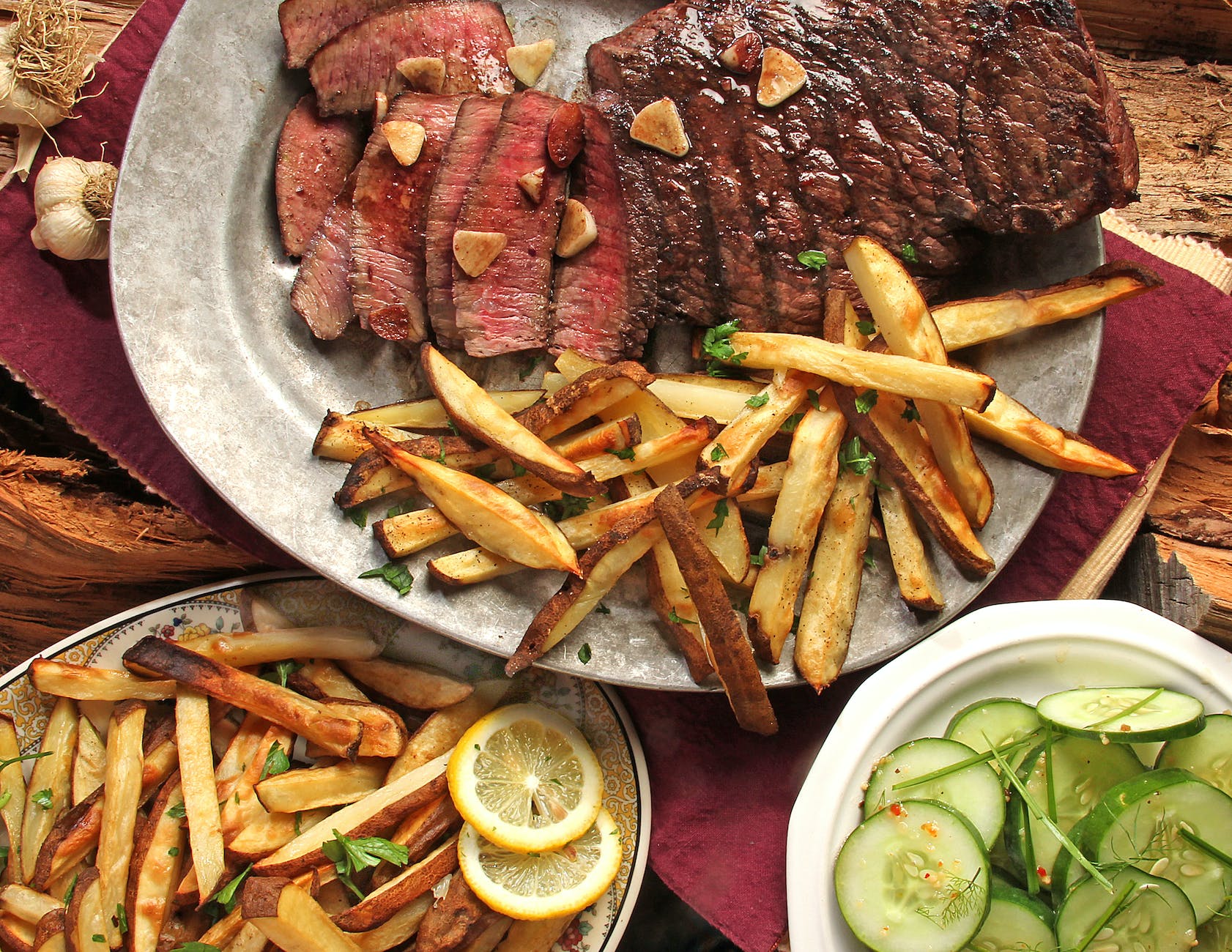
A key aspect in the discussion of cultured meat’s potential to replace traditional meat sources is its nutritional equivalence or superiority. The nutrition derived from meat, including protein, essential amino acids, vitamins (such as B12), and minerals (such as iron and zinc), is an important part of human diet, and any proposed alternatives must consider these factors (Bouvard et al., 2015).
From a biological standpoint, cultured meat could potentially mimic the nutritional profile of traditional meat. The cells used in the culturing process are the same as those in livestock animals, so the protein and amino acid content should theoretically be similar (Post, 2012).
However, cultured meat offers the potential for nutritional enhancement. By controlling the production process, it is possible to manipulate the nutritional profile of the final product. For instance, the levels of saturated fats can be decreased, and beneficial omega-3 fatty acids can be increased, thus potentially creating a healthier product (Mattick et al., 2015). In addition, the risk of bacterial contamination and foodborne illnesses can potentially be lower in cultured meat, as sterile lab conditions can be maintained during production (Specht et al., 2017).
Yet, the technology to precisely control these aspects of cultured meat is still in development. The cell culture medium used to grow the cells often contains animal-derived products and antibiotics, which could have implications for both the nutritional profile and consumer acceptance of cultured meat (Bhat et al., 2019).
Overall, while cultured meat offers intriguing possibilities for nutritional optimization and improved food safety, more research is needed to realize these potentials and to fully understand the implications of the differences between cultured and conventional meat.
Rethinking our Relationship with Meat
The advent of cultured meat raises intriguing questions about our relationship with meat. For example, would cultured meat be considered vegan? Technically, the production of cultured meat involves animal cells, but the process doesn’t involve raising and slaughtering animals. Thus, it may be more ethically acceptable to individuals who avoid meat for ethical reasons. However, this opens up debates about the definition of ‘veganism’ and the importance of individual perceptions and cultural norms.
Furthermore, could the shift to cultured meat influence our views on traditional farming and animal welfare? Could the industry’s evolution lead to new standards in what we consider humane or ethical in food production? And how will the economics of cultured meat shape global food systems? Are we on the brink of a fundamental shift in the way we produce and consume meat?
As we anticipate the future of the meat industry, these questions and others will be central to discussions among policymakers, industry leaders, and consumers. In an era of pressing environmental and ethical challenges, the potential of cultured meat to transform our food systems is an area of growing importance, and one that is ripe for further exploration and debate.
References
AT Kearney. (2019). How will cultured meat and meat alternatives disrupt the agricultural and food industry? AT Kearney.
Ben-Arye, T., & Levenberg, S. (2019). Tissue Engineering for Clean Meat Production. Frontiers in Sustainable Food Systems, 3, 46.
Bhat, Z.F., Morton, J.D., Mason, S.L., Bekhit, A.E.D., & Bhat, H.F. (2019). Technological, regulatory, and ethical aspects of in vitro meat: A future slaughter-free harvest. Comprehensive Reviews in Food Science and Food Safety, 18(3), 1192-1208.
Bryant, C., & Barnett, J. (2018). Consumer acceptance of cultured meat: A systematic review. Meat Science, 143, 8-17.
Bouvard, V., Loomis, D., Guyton, K. Z., Grosse, Y., Ghissassi, F. E., Benbrahim-Tallaa, L., Guha, N., Mattock, H., & Straif, K. (2015). Carcinogenicity of consumption of red and processed meat. The Lancet Oncology, 16(16), 1599-1600.
Kadim, I. T., Mahgoub, O., Baqir, S., Faye, B., & Purchas, R. (2015). Cultured meat from muscle stem cells: a review of challenges and prospects. Journal of Integrative Agriculture, 14(2), 222-233.
FAO. (2006). Livestock’s long shadow: Environmental issues and options. Rome.
FAO. (2013). Tackling climate change through livestock: A global assessment of emissions and mitigation opportunities. Rome.
Godfray, H. C. J., Aveyard, P., Garnett, T., Hall, J. W., Key, T. J., Lorimer, J., Pierrehumbert, R. T., Scarborough, P., Springmann, M., & Jebb, S. A. (2018). Meat consumption, health, and the environment. Science, 361(6399).
Kleeman, J. (2020). Sex Robots and Vegan Meat. Picador.
Mattick, C. S., Landis, A. E., Allenby, B. R., & Genovese, N. J. (2015). Anticipatory life cycle analysis of in vitro biomass cultivation for cultured meat production in the United States. Environmental Science & Technology, 49(19), 11941-11949.
OECD. (2021). Meat consumption (indicator). doi: 10.1787/fa290fd0-en
Post, M. J. (2012). Cultured meat from stem cells: Challenges and prospects. Meat Science, 92(3), 297-301.
Specht, E. A., Welch, D. R., Rees Clayton, E. M., & Lagally, C. D. (2017). Opportunities for applying biomedical production and manufacturing methods to the development of the clean meat industry. Biochemical Engineering Journal, 132, 161-168.
Singer, P. (2009). Animal liberation: The definitive classic of the animal movement. Harper Perennial Modern Classics.
Stephens, N., Di Silvio, L., Dunsford, I., Ellis, M., Glencross, A., & Sexton, A. (2018). Bringing cultured meat to market: Technical, socio-political, and regulatory challenges in cellular agriculture. Trends in Food Science & Technology, 78, 155-166.
Tuomisto, H. L., & Teixeira de Mattos, J. (2011). Environmental impacts of cultured meat production. Environmental Science & Technology, 45(14), 6117-6123.
United Nations, Department of Economic and Social Affairs, Population Division. (2019). World Population Prospects 2019: Highlights (ST/ESA/SER.A/423).
 Thoughts of Jude