
By Jude Huck-Reymond
Text-based AI, also known as natural language processing (NLP), has been making significant strides in recent years, and its potential to transform our society is immense. In this article, we will explore some of the current use cases of text-based AI and how it may evolve in the future.
Current Use Cases
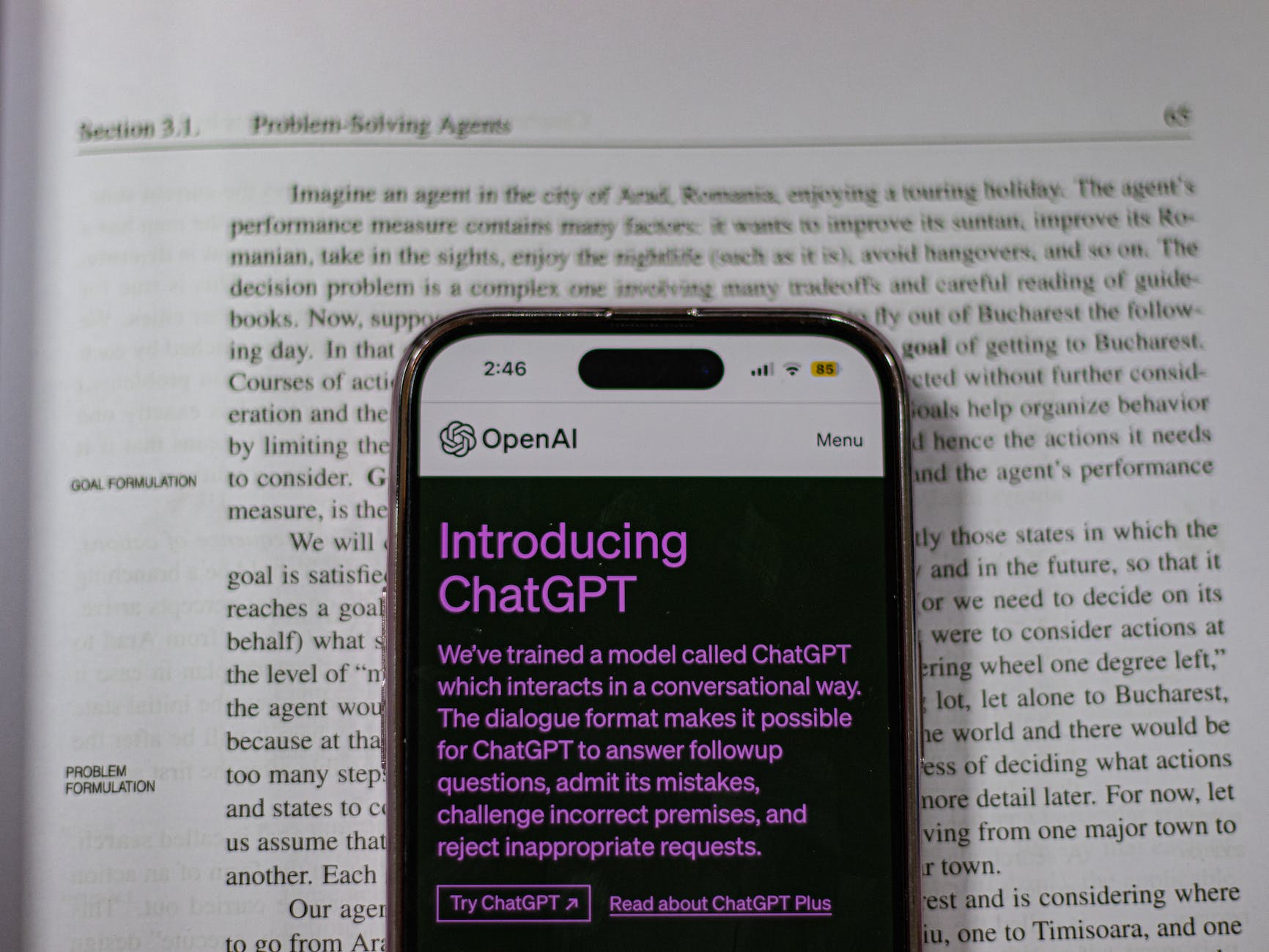
One of the most significant current use cases of text-based AI is chatbots. These computer programs can understand and respond to text-based queries from users, helping businesses to automate customer service and support. Chatbots are being used in a variety of industries, including finance, healthcare, and retail.
Another use case of text-based AI is sentiment analysis. This technology can analyze large volumes of text data, such as social media posts or customer reviews, to determine the sentiment of the writer. This information can be used by businesses to improve their products or services and make more informed decisions.
Text-based AI is also being used for machine translation, which can automatically translate text from one language to another. This technology has the potential to break down language barriers and facilitate communication between people from different countries and cultures.
Future Possibilities
In the future, text-based AI is likely to become even more advanced, with a range of new use cases. For example, AI-powered virtual assistants could become more human-like, able to understand and respond to natural language queries more accurately.
Additionally, text-based AI could be used to create more personalized and targeted marketing. By analyzing large volumes of data, AI could help businesses create content that is tailored to individual consumers’ preferences and interests.
Another possibility is the use of text-based AI in education. AI could be used to create more personalized learning experiences, adapting to each student’s individual learning style and pace.
There is also the potential for text-based AI to be used for healthcare applications, such as automated medical diagnosis. By analyzing patient symptoms and medical records, AI could help doctors to make more accurate diagnoses and provide better treatment options.
Conclusions
As with any new technology, there are also potential risks and concerns with text-based AI. There is the possibility of bias in the data used to train AI models, which could lead to discrimination or unequal treatment. Additionally, there are concerns around privacy and data security, as AI systems require access to large amounts of personal data to function.
Ultimately, text-based AI has the potential to transform our society in a range of ways, from improving customer service to facilitating communication between people from different cultures. While there are risks and concerns associated with this technology, with proper safeguards and ethical considerations, text-based AI has the potential to be a powerful force for good in our society.
If you don’t believe me, all of the text above was written by ChatGPT, OpenAI’s latest chatbot.
 Thoughts of Jude